


VITAMIN THERAPY
VITAMIN THERAPY
Unlock Peak Vitality: Your Guide to IV Vitamin Therapy
What is IV Vitamin Therapy?
IV Vitamin Therapy is a premium wellness treatment that delivers essential vitamins, minerals, and hydration directly into your bloodstream.
While traditional oral supplements must navigate the complexities of the digestive tract—often losing potency along the way—IV drips bypass digestion entirely. This ensures 100% bioavailability, making these vital nutrients immediately available for your cells, tissues, and organs to use.
Inside the Bag: Custom Micronutrient Blends
We don't believe in a "one-size-fits-all" approach. Every infusion is tailored to your specific health goals, medical history, and personal tolerances. Whether you are recovering from an illness or looking for a performance boost, your drip may include:
-
Vitamin C: A powerhouse for immune support. High-dose IV Vitamin C is used to fight fatigue, manage sepsis in clinical settings, and provide a significant antioxidant boost.
-
Vitamin B Complex: A synergistic blend including B1 (Thiamine), B2, B3, B5, and B6. These are the "engines" of your metabolism, turning food into fuel and supporting brain function.
-
Vitamin B12 (Cyanocobalamin): Essential for red blood cell production. A boost in B12 helps prevent anemia and keeps your energy levels steady.
-
Folic Acid (Folate): Works alongside B12 to support DNA synthesis and healthy cell growth.
-
Calcium: The foundation of bone health and vital for preventing conditions like osteoporosis.
-
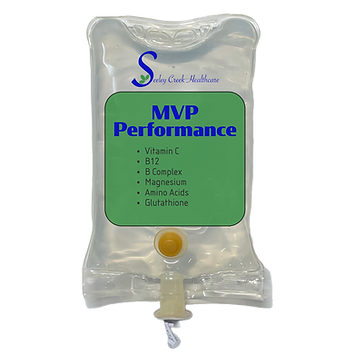
Glutathione: Known as the "Master Antioxidant," it aids in detoxification and helps protect cells from oxidative stress.
-
Amino Acids: The building blocks of protein. These are crucial for tissue repair, muscle growth, and efficient digestion.
Safety & Considerations
IV infusions are generally considered safe and effective when administered by professionals. However, your safety is our priority. We monitor every session closely to manage potential reactions, such as:
Note on Sensitivity: Some ingredients, like Magnesium, can cause a temporary "flushing" sensation. Others, like Potassium, require precise administration to maintain heart health.
Why Professional Supervision Matters:
-
Custom Titration: We start slow to ensure your body acclimates perfectly to the infusion.
-
Sterile Environment: We maintain strict antiseptic protocols to prevent infection.
-
Expert Consultation: We recommend a consultation before starting any regimen to ensure you receive the exact nutrients your body needs in the correct dosage.
Ready to Revitalize?
Experience the difference that direct cellular hydration can make. Contact our office today to schedule your initial consultation and find the perfect drip for your lifestyle and health goals.
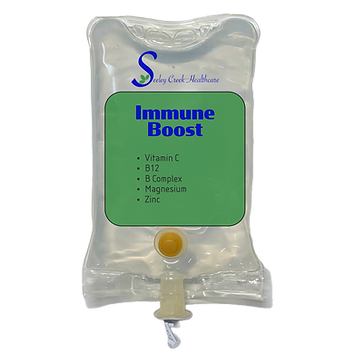
Energize IV
This specialized formula is designed to help replenish antioxidants and allow your cells' mitochondria to perform at optimal levels.
-Vitamin C
-B12
-B Complex
-Biotin
-B5
$150





Peptides
What are Peptides
Peptides are the "biological messengers" of the body—short chains of amino acids (typically 2 to 50) linked by peptide bonds. While they share the same building blocks as proteins, their smaller size allows them to be absorbed more easily and target specific cellular receptors with high precision.
The Biological Blueprint
When amino acids link up, they form a peptide. Once that chain exceeds roughly 50 amino acids, it is generally classified as a protein. In therapeutic and cosmetic contexts, peptides are used to signal the body to perform specific functions, such as producing collagen, releasing growth hormones, or regulating immune responses.
Common Categories & Applications
Peptides are generally grouped by how they communicate with your cells. While they all use the same "messenger" system, the specific instructions they carry differ wildly based on their amino acid sequence.
1. Signal Peptides (The "Builders")
These are the most common peptides found in high-end anti-aging skincare. As we age, our natural collagen breaks down. Signal peptides trick the skin into thinking it has suffered a minor injury, triggering a "healing response" that floods the area with fresh collagen and elastin.
-
Key Benefit: Firmer skin, reduced wrinkle depth, and improved structural integrity.
-
Common Example: Palmitoyl Pentapeptide-4 (Matrixyl).
2. Carrier Peptides (The "Delivery Drivers")
Some vital minerals, like copper, are difficult for the body to transport to specific tissues on its own. Carrier peptides act as a shuttle, picking up these trace elements and delivering them directly to the cells that need them for repair and enzymatic function.
-
Key Benefit: Accelerated wound healing and localized antioxidant protection.
-
Common Example: GHK-Cu (Copper Peptide).
3. Neuropeptides (The "Relaxers")
Often marketed as "Botox in a jar," these peptides work by interrupting the chemical signals that tell your facial muscles to contract. By slightly dampening these signals, the skin stays smoother during expression, preventing the formation of deep lines.
-
Key Benefit: Temporary smoothing of expression lines (crow's feet, forehead furrows).
-
Common Example: Acetyl Hexapeptide-8 (Argireline).
4. Metabolic & Growth Peptides (The "Optimizers")
These peptides work internally to influence systemic functions like fat metabolism and the natural release of Growth Hormone (GH). Unlike synthetic hormones, these "Secretagogues" simply encourage your own pituitary gland to release its stored GH more efficiently.
-
Key Benefit: Enhanced fat loss, improved sleep quality, and faster muscle recovery.
-
Common Example: CJC-1295 / Ipamorelin.
How They Work: The "Lock and Key" Mechanism
Peptides function via a signaling cascade. Because of their specific sequence of amino acids, they act as "keys" that only fit into specific "locks" (receptors) on the surface of cells.
1. Binding/Targeting the Receptor
-
The peptide is introduced to the system and travels until it finds its matching cellular receptor.
2. Signal Transduction/Passing the Message
-
Once docked, the peptide triggers a chemical change inside the cell without actually entering it.
3. Cellular Response/Execution
-
The cell receives the "message"—for example, "produce more Type I Collagen"—and begins the synthesis process.
4.Degradation/Cleanup
-
Natural enzymes (peptidases) eventually break the peptide back down into harmless amino acids to prevent over-stimulation.